
AI Has Changed What Scams Look Like
The old giveaways, broken English and dodgy formatting, are disappearing. ASIC reported that it coordinated the removal of 11,964 phishing and investment scam websites in 2025, a 90 per cent jump on the 6,270 it took down the year before. That is an average of 32 scam websites removed every single day, and the regulator has been blunt about the cause: AI is making fake investment ads, videos and endorsements more polished and harder to spot.
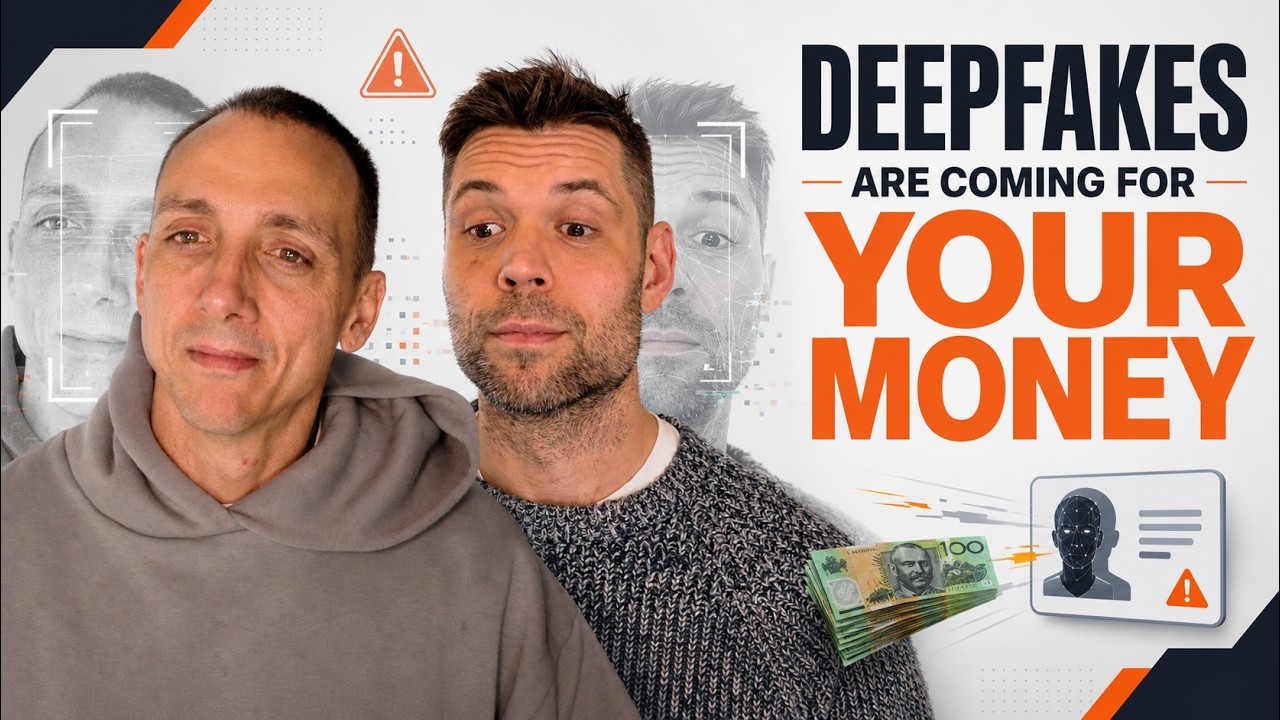
We talked on the episode about a well-known Australian finance influencer with around 200,000 followers whose likeness was cloned to promote a crypto scheme she had nothing to do with. Deepfake videos of prominent Australian business figures flogging investment schemes are now a regular occurrence. And a detail that surprised both of us during our research: Australia currently has no law giving you ownership of your own face or voice. Unless a contract says otherwise, there is very little stopping someone from cloning your likeness.
That includes ours. So a standing request to our clients: if you ever receive a message that appears to come from Scott, Phil or anyone at Wealthlab pushing a crypto opportunity or a “great investment, click this link”, it is not us. Call the office on the number you already have and check.
Recovery Scams: The Second Hit
The cruellest category is growing fastest. Scamwatch has flagged the rise of recovery scams, where people who have already been scammed are contacted by someone claiming they can get the money back, for a fee, or with access to bank details.
Phil spoke about a case where the initial scam cost someone around $150,000, and the fake recovery service took roughly another $50,000 on top. It works for the same reason chasing losses works at the pokies. When someone is that deep in, admitting the money is gone feels impossible, so good money follows bad. Anyone contacting you out of the blue offering to recover scammed funds is almost certainly the second wave of the same operation.
Habits That Actually Protect You
Rather than a long list of rules, these are the handful of habits we keep coming back to with clients and our own families:
Verify through a channel you control. If the bank, the ATO, a crypto exchange or your adviser calls unexpectedly, hang up and call back on the official number you look up yourself. Phil had a very polite caller claiming to be from a crypto exchange run a “security check” that was really a fishing trip for his logins across other platforms. Politeness proves nothing.
Treat payment detail changes as a phone call, not an email. Intercepted emails with swapped bank details are catching people out in property settlements and invoice payments constantly. Even if you have paid that person a hundred times before, a changed account number gets confirmed by voice.
Never pay to receive money. Tax, release fees, processing charges before a withdrawal can happen: that structure is the scam, regardless of the story around it.
Use unique passwords and the Do Not Call Register. Basic, unglamorous and effective at cutting down the surface area scammers can reach you on.
Talk to your family with an open heart. The goal is raising everyone’s threshold for “something feels off”, not delivering a lecture that guarantees they hide it from you if something goes wrong.
We wrote a companion piece on a related problem, how to spot AI-generated financial advice online, which covers checking whether the person giving you financial guidance is real and licensed. The two threats overlap more every month.
FAQ: Scams and Protecting Your Money
How much did Australians lose to scams in 2025?
Reported losses reached $2.18 billion across Scamwatch, ReportCyber, IDCARE, the AFCX and ASIC, per the National Anti-Scam Centre’s Targeting Scams report released in March 2026. Investment scams were the largest category at $837.7 million. Actual losses are higher because many scams are never reported.
What is a task scam?
A fake online job where you complete tasks through a convincing portal and watch earnings accumulate on screen, then get told to pay a tax or fee, often in cryptocurrency, before withdrawing. The earnings are not real. Any job that requires you to send money to receive your pay is a scam.
What is a recovery scam?
A follow-up scam targeting people who have already lost money, offering to recover the funds for a fee or with your bank details. Scamwatch has identified it as one of the fastest growing scam types. Legitimate recovery of scammed funds happens through your bank and official channels, not through strangers who contact you.
How can I tell if a video of a public figure recommending an investment is a deepfake?
Increasingly, you cannot tell by looking. AI-generated videos of well-known Australians endorsing investment schemes are common and improving. The safer test is the claim itself: guaranteed returns, urgency, crypto payment methods and requests to continue on Telegram or WhatsApp are the red flags, whoever appears to be speaking.
Are older Australians targeted more?
People aged 65 and over consistently report disproportionately high losses relative to their share of the population, partly because they are researching retirement and investment options online and often hold larger accessible savings. Specific, judgement-free conversations with older family members about current scam patterns are one of the most effective protections.
What should I do if I think I have been scammed?
Contact your bank immediately, as fast action sometimes allows transfers to be stopped or traced. Report it to Scamwatch and, if identity documents are involved, IDCARE. Be alert for recovery scam approaches afterwards, and do not be embarrassed. The sophistication of these operations catches out intelligent, careful people every day.
If Something Feels Off, Ask Us
Part of having an adviser is having someone to run the weird stuff past. Our clients forward us suspicious messages all the time, and we would far rather spend two minutes confirming something is fake than hear about it afterwards. If you are thinking about your broader retirement position and want a real human on the other end of the conversation, book a free chat with the Wealthlab team or read more about how we approach retirement planning.